Fees, products and market structure
Dollar-cost averaging Bitcoin in SGD
Recurring PayNow buys of Bitcoin in Singapore dollars, the fee drag on small S$50 lots, and the record-keeping IRAS may later want. This is not investment advice and not a claim that DCA works.
Updated 27 September 2026 · 6 min read · 1,321 words
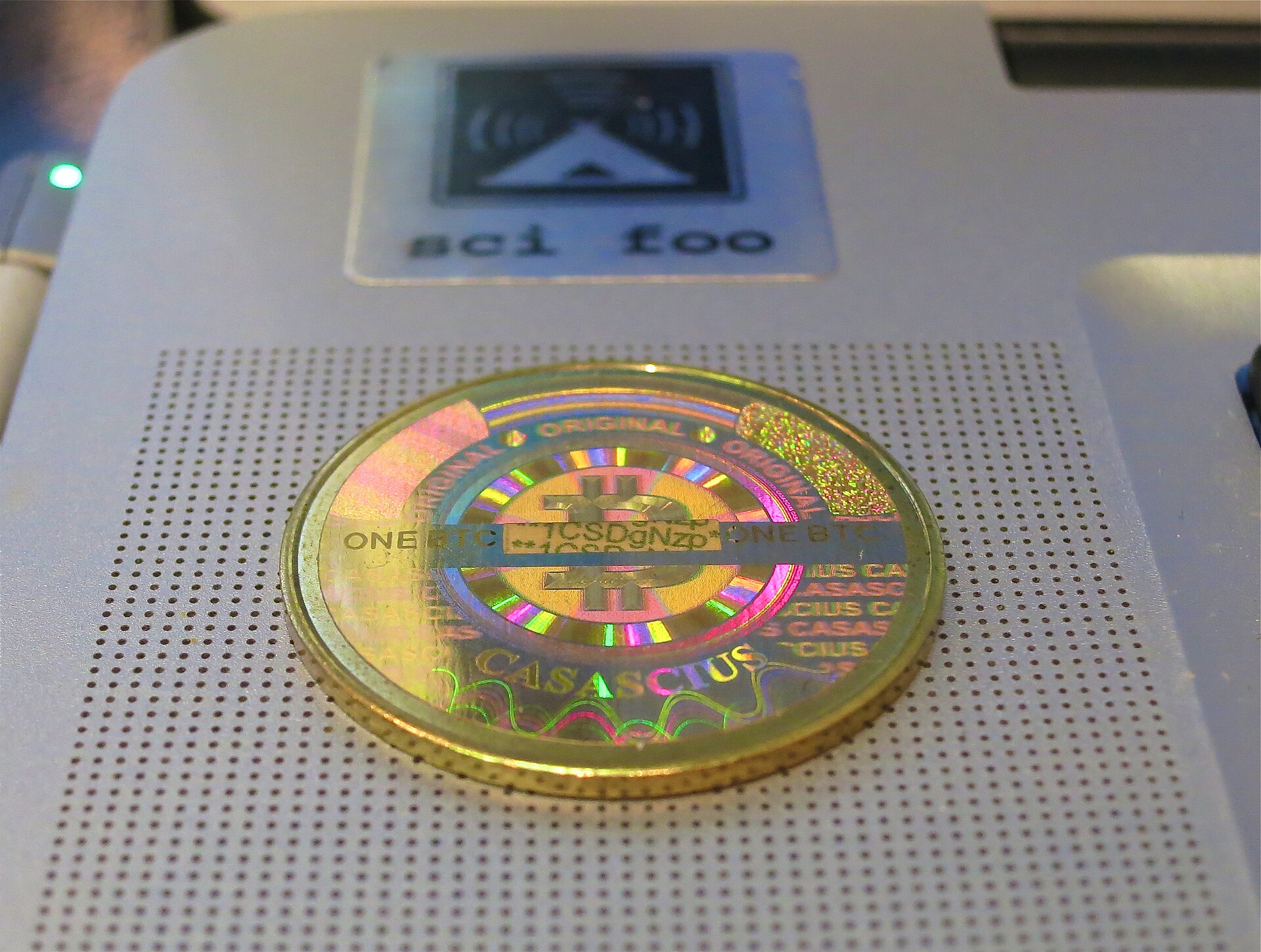
Dollar-cost averaging means buying a fixed amount of an asset on a fixed calendar — S$100 every Friday, S$250 on payday — regardless of that day’s price. It is a way to stop making a single timing decision you will over-interpret later. It is not a strategy that “beats the market,” not a MAS-endorsed savings plan, and not a substitute for deciding whether you should hold Bitcoin at all.
This article is about the Singapore mechanics: PayNow, licensed books, fee drag on small lots, and a file you can show IRAS if the question ever comes up. It is not investment advice. If you want a first-principles buy, read how to buy Bitcoin in Singapore first, then come back to the schedule.
What DCA actually is — and is not
The idea is old. You pick a SGD amount your cashflow can stand to lose sight of, pick a frequency, and execute without adding a view on next week’s price. Over a long enough period you hold a stack whose average cost is a blend of many days. You will have bought some lots higher than others. That is the point.
What it is not:
- A guarantee that Bitcoin will be higher later. A blended cost of S$90,000 is no comfort if the market is at S$40,000 and you needed the SGD.
- Insurance against a platform failure. Recurring buys that settle onto an exchange balance are still exchange custody. Read how to store crypto safely before you treat a standing instruction as a vault.
- A way around MAS consumer-protection rules. You still complete the risk-awareness assessment. You still use a licensee. A bot that DCA’s on an unlicensed overseas book is just an unlicensed overseas book with a calendar.
- Tax magic. Scheduling purchases does not convert a business of trading into a personal investment, or the reverse.
People like DCA because it removes the feeling of having been “wrong” on a Wednesday. That feeling is not a return. If you cannot explain, in one sentence, why you want Bitcoin exposure at all, a weekly PayNow will not supply the reason.
Recurring PayNow buys on a licensed platform
In Singapore the funding rail is usually PayNow into a licensed DPT account, then a purchase on that account. Some platforms let you save a recurring-buy instruction: every Monday, debit the SGD balance, buy BTC at the instant price. Some want you to PayNow manually and tap the button yourself. The second is less elegant and makes the fee obvious. The first is how people forget they are paying instant-buy markup fifty-two times a year.
Check, on the licensee’s current screen:
- the minimum lot in S$
- whether each lot is instant-buy or a market order on a book
- whether the SGD is pulled from a pre-funded balance or from a stored payment method
- cut-off times around public holidays
- what happens if the PayNow fails or the balance is short
- whether you can stop the instruction without a call-centre wait
Match the legal name to the Financial Institutions Directory. A recurring-buy widget on a cloned app is a scam intake method, not a savings feature.
Calendar choice is personal cashflow, not market science. Payday DCA at least fails in a month where CPF, rent and GIRO have already gone out. Friday-night DCA fails in a month where you are in JB and not watching the account. Neither schedule has an edge. Both need a SGD buffer so a failed debit does not bounce other bills.
If you self-custody, do not withdraw each S$50 lot on-chain. Accumulate, then move a size that makes the network fee and the travel-rule process worth the friction. Weekly on-chain withdrawals of tiny UTXOs are how a careful plan becomes an expensive mess.
Fee drag on small S$50 lots
Fees that look small as percentages are large as a share of a small ticket. That is the entire warning.
Take an instant-buy spread of 1.5 per cent — the sort of packaged quote described in how crypto trading fees work. On S$50 that is S$0.75 of Bitcoin you did not buy. On 52 weeks that is S$39 of a S$2,600 year, before any withdrawal. On S$500 lots the same spread is still 1.5 per cent, but you are at least not combining it with a later S$15 equivalent network fee against a thin pile.
Flat costs are nastier. A S$3 “minimum trade” on a S$50 lot is 6 per cent before spread. A S$20 on-chain withdrawal against S$200 of accumulated BTC is 10 per cent of that pile. Recurring-buy products sometimes hide a subscription or a foreign-exchange conversion if they price in USDT internally and settle in SGD. Read the contract notes.
A practical response that is still not advice: if you are committed to a schedule, raise the lot size and lower the frequency until the percentage drag is a number you can say out loud. S$200 monthly on a book, with a limit order you actually watch, will usually waste less SGD than S$50 weekly on an instant button. If S$200 a month is more than you can leave alone, the honest conclusion may be that Bitcoin DCA is not a current cashflow task. Stretching to feed a standing instruction is how people then raid the stack for a dental bill and generate a disposal they did not plan to record.
Discount tokens that “cut fees 25 per cent” do not rescue a S$50 ticket. See the fee piece for the arithmetic. You would be adding a second volatile balance to save cents.
Record-keeping if IRAS ever asks
IRAS’s e-Tax Guide on digital tokens wants you to be able to value tokens reasonably and consistently if a tax consequence arises. Singapore has no blanket capital-gains tax. Personal investment disposals of payment tokens are often not taxable; a business of buying and selling them can be. Recurring buys do not settle that question. They do create a lot of lots.
Keep a ledger, in SGD:
- date of each purchase
- S$ debited, including any fee you can see
- quantity of BTC credited
- venue and account
- the PayNow or FAST reference that funded that week or month
- later withdrawals to self-custody, with txid
- later sales, with SGD credited, if any
Export CSV from the licensee quarterly, not at the end of a five-year bull market when the account is gone. If you change venues, close the year on the old CSV before you start the new one. Valuation method — which rate you treat as reasonable — should be stable. IRAS has said it does not prescribe a single exchange, but it does expect something verifiable.
If you are DCA’ing because you think it is “tax efficient,” stop and read crypto tax in Singapore. Efficiency is not a feature of the recurring button. If you later sell and FAST SGD, the same ledger is the source-of-wealth file your bank will ask for. Build it now, while the lots are small.
This is not investment advice
Bitcoin is a digital payment token. It is not legal tender in Singapore. Its price in SGD can move by an amount that makes a year of S$50 lots look either clever or pointless in a single week. DCA does not change that. It only changes how you enter.
MAS requires licensees to run a risk-awareness assessment before retail access. Take it as a warning, not as a tutorial you click through on the bus. You can lose the entire SGD you scheduled. You can also lose it to a platform, a scam, or a seed phrase in iCloud. The calendar does not fix those.
If you proceed anyway, proceed on a licensed book, in amounts that do not disturb rent, with fees you have converted to Singapore dollars, and with a file. If you do not proceed, that is a complete outcome. This desk is not here to talk you into a standing instruction.
Nothing in this article is a recommendation to buy, sell or hold Bitcoin or any other digital payment token. Confirm licence status on the Financial Institutions Directory before you send SGD. Confirm with a professional if your tax position is more than a simple personal record.
Questions readers ask
- Is dollar-cost averaging a good way to buy Bitcoin in Singapore?
- It is a scheduling choice, not a return. DCA reduces the chance that one day’s price defines your entire stack, and it can increase the share of each S$50 that goes to spread. Whether that trade-off suits you is a personal decision this desk will not make.
- Can I set up a recurring PayNow buy?
- Some MAS-licensed platforms offer recurring buys funded from a PayNow-linked balance or a saved payment method. Availability, minimums and the exact SGD debit rail change. Check the licensee’s own recurring-buy terms, including whether each lot is an instant-buy at that hour’s markup.
- Why do small S$50 buys feel expensive?
- Flat costs and percentage spreads both bite harder on small tickets. A 1.5 per cent instant-buy spread is S$0.75 of a S$50 lot and S$39 of a S$2,600 year. A later on-chain withdrawal fee is then charged against a pile built from many lots.
- Does IRAS treat each weekly buy as a separate event?
- Keep each lot’s date, quantity and SGD cost. If you later dispose of Bitcoin, those lots are how you reconstruct cost. Whether any gain is taxable depends on your facts, not on the existence of a recurring button.