Bitcoin vs Ethereum for Singapore investors
A Singapore-dollar comparison of Bitcoin and ether — opportunity cost, fees, custody and the same IRAS treatment — written as an explainer, not a buy call.
Updated 28 September 2026 · 6 min read · 1,390 words
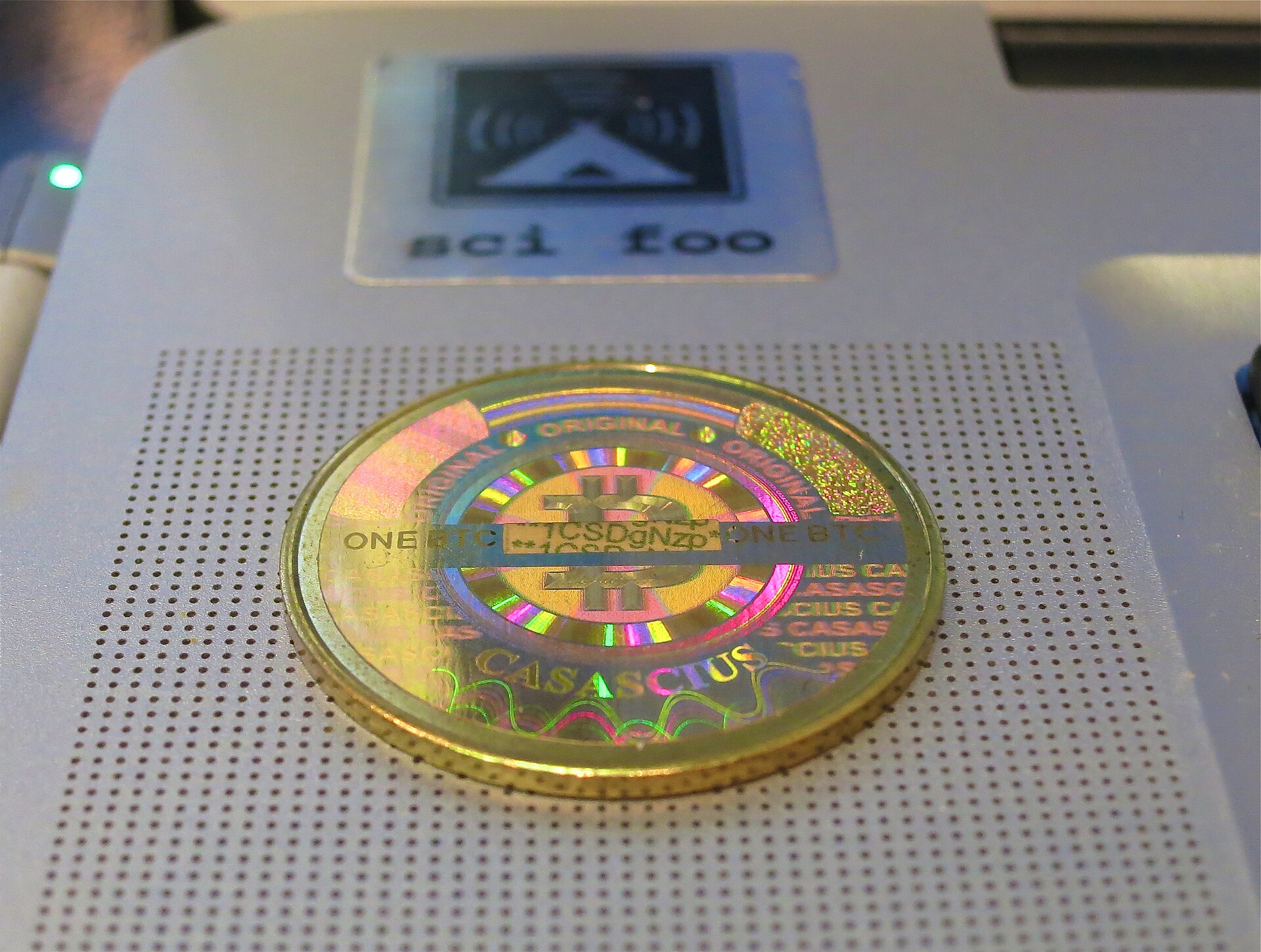
Singapore readers who have already decided they want some digital payment token usually ask the next question too fast: Bitcoin or ether? The useful version of that question is not which ticker will “win”. It is which holding matches the job you have in mind, what it costs to buy and keep in Singapore dollars, and how you will live with the operational details on a Tuesday evening after work. This piece compares those things. It does not tell you to buy either. MAS has been clear that DPT trading is not suitable for the general public; nothing below softens that.
If you want the purchase steps, they already exist: how to buy Bitcoin and how to buy ether. What follows assumes you can open a licensed account and would rather not pretend the two tokens are interchangeable stickers.
They are the same thing to MAS and to IRAS
Start with the part that does not differ. Both tokens are digital payment tokens under the Payment Services Act. A platform that sells them to you in Singapore needs the same DPT licence. You sit the same risk-awareness assessment. You fund with the same PayNow rail. You do not get SDIC cover on either balance. The regulation overview does not have a Bitcoin chapter and an Ethereum chapter. It has a DPT chapter.
IRAS is just as even-handed. Singapore does not levy a general capital-gains tax. A long-term personal holding of either token is generally not an income event on the way in, and not taxed as a gain on the way out if it is genuinely a personal investment. Frequent, systematic dealing can be a business for Bitcoin, for ether, or for both together. Salary paid in either token is employment income. The tax explainer is the longer treatment. The comparison point is simple: do not pick a token because you think the Comptroller likes it more.
That sameness is easy to forget because the cultures around the two networks talk past each other. One side sells scarcity. The other sells a world computer. The Singapore file does not care. Your bank, your licence check and your tax folder treat them as two DPTs.
Opportunity cost in Singapore dollars
Opportunity cost is the unglamorous heart of the comparison. Every Singapore dollar you convert into Bitcoin is a dollar that is not in a T-bill, a deposit, CPF top-ups, the other token, or the rest of your month. The same sentence holds if you swap the name to ether. There is no MAS-blessed answer to which opportunity you should take. There is only the honesty of pricing it in SGD, not in a dollar chart you screenshot at lunch.
The two tokens do not move together every day, but they often move together enough that holding both is not the diversification people describe on forums. In a risk-off week you can easily be down in SGD on both books at once. If the reason you wanted a second token was “so that one can save the other”, look at an actual period of market stress rather than a branding exercise.
Ether adds a second opportunity-cost conversation that Bitcoin mostly avoids: the temptation to put the holding to work. Staking, restaking, providing liquidity, farming a point system — the menu is long and, for a retail customer on a licensed Singapore platform, mostly closed. MAS guidelines expect DPT service providers not to stake or lend retail assets. If you chase that menu anyway, you are leaving the licensed on-ramp and taking protocol and counterparty risk that the staking explainer is there to unpack. Bitcoin holders have their own versions of this temptation (wrapped BTC, lending desks). The disciplined version of either holding is a spot token you can sell back to SGD.
Time is a cost too. Ether’s application layer rewards attention. If you will not keep up with network upgrades, wallet approvals and the difference between a main-network address and a rollup, the “more useful” token is the more expensive hobby. Bitcoin will still demand that you not lose a recovery phrase. It will not also demand that you understand a new scaling brand every quarter.
Fees: the pair, the book, and the way out
On a licensed Singapore venue the first fee is the spread on the SGD (or USD-plus-FX) pair. Bitcoin pairs are usually the tightest, because they are the most traded. Ether is close. Instant-buy buttons erase that advantage for small tickets; advanced books give it back if you know how to sit a limit. Compare venues in the exchange guide, not on a global fee page that assumes a card.
The second fee is the withdrawal. Bitcoin’s on-chain fee moves with block space. Ether’s gas moves with block space and with how complicated the transaction is. In both cases the number that hits you first is the exchange’s flat withdrawal fee, which is a commercial charge, not a protocol invoice. Small balances of either token look silly to move. Large balances do not. If you plan to withdraw, buy enough that the exit fee is a rounding error, or accept that a starter holding may live on the book.
The third fee is the one ether users pay later and Bitcoin users mostly do not: gas to use the token in an application. That is not a reason to prefer Bitcoin. It is a reason not to buy ether “for DeFi” with a balance that cannot survive two failed transactions and a priority bump. Do the arithmetic in SGD before you romanticise a protocol.
FX sits under all of this if the pair is quoted in dollars. BTC/USD and ETH/USD after a PayNow deposit are two-currency trades. BTC/SGD and ETH/SGD are cleaner to compare with each other. If one venue only has dollar pairs, you are not looking at a pure token spread.
Custody is similar, until it is not
Self-custody of either token means a recovery phrase you keep offline and a test withdrawal you actually wait for. The storage guide does not fork by ticker. Hardware devices that speak Bitcoin usually speak ether too. The failure mode that is more common on the Ethereum side is not a lost phrase. It is a signature on a malicious approval, or a send to the right address on the wrong network.
On the exchange side, MAS now expects customer-asset segregation from DPT service providers. That is a real improvement on the old “trust us” model and it still is not a vault with your name on a specific output. Leaving both tokens on one book concentrates platform risk. Splitting them across two books doubles login-and-phishing surface. Neither layout is free.
If you hold ether because you want to transact on-chain, you will need a wallet you control. An exchange ETH balance cannot pay gas. If you hold Bitcoin as a long-term bearer asset, a wallet you control is the thing that makes that sentence true. If you hold either token as a balance you intend to sell back to FAST inside a month, the custody argument is weaker and the platform-risk argument is stronger. Be honest about the holding period before you buy a device you will not practise with.
How to use the comparison without turning it into a call
A practical way to decide — if you are going to decide — is to write down the job in one sentence. “I want a single long-term DPT I can explain to myself” points at operational simplicity, which is usually Bitcoin. “I want to use a specific application that invoices in ether” points at ether, and at a smaller size than a thesis would suggest, because you are buying fuel as well as a holding. “I want both because everyone else has both” is not a job.
Then write down the SGD amount you can lose without reaching for credit, and the records you will keep. Two tokens mean two lines in the folder. IRAS will not be impressed that you were diversified if the pattern of disposals looks like a desk.
This desk will not pick a winner. The coins hub will keep publishing the how-tos and the regulation pieces so that, if you proceed, you proceed on a licensed book with a quiz you sat yourself and a withdrawal you tested. That is the Singapore version of the Bitcoin-versus-ether debate. It is drier than the internet’s, and it is the one that matches how you actually bank.
Questions readers ask
- Does IRAS tax Bitcoin and ether differently?
- No. Both are digital tokens. A long-term personal investment is generally outside income tax. Frequent, organised trading can be taxed as a business for either token. The ticker does not change the badges of trade.
- Is ether riskier because it has gas fees and applications?
- It has extra operational ways to lose money — approvals, contract bugs, mistaken networks — on top of price risk. Bitcoin has fewer moving parts and its own ways to fail, including an irreversible send to a wrong address. Different surface area, not a score.
- Should a Singapore beginner buy both?
- That is a personal decision this desk will not make. Two tokens mean two withdrawal paths, two fee schedules and two custody habits. One token you understand is a lighter operational load than a mini-portfolio you cannot explain.
- Do MAS rules favour one token?
- No. Both are digital payment tokens. The same licence, risk quiz, advertising limits and retail-conduct rules apply. MAS has not designated either as suitable for the public.