How to buy Ethereum in Singapore
How Singaporeans buy ether in SGD on MAS-licensed books — gas versus withdrawal fees, Singpass onboarding, and why exchange staking is not the same as running a validator.
Updated 2 October 2026 · 6 min read · 1,483 words
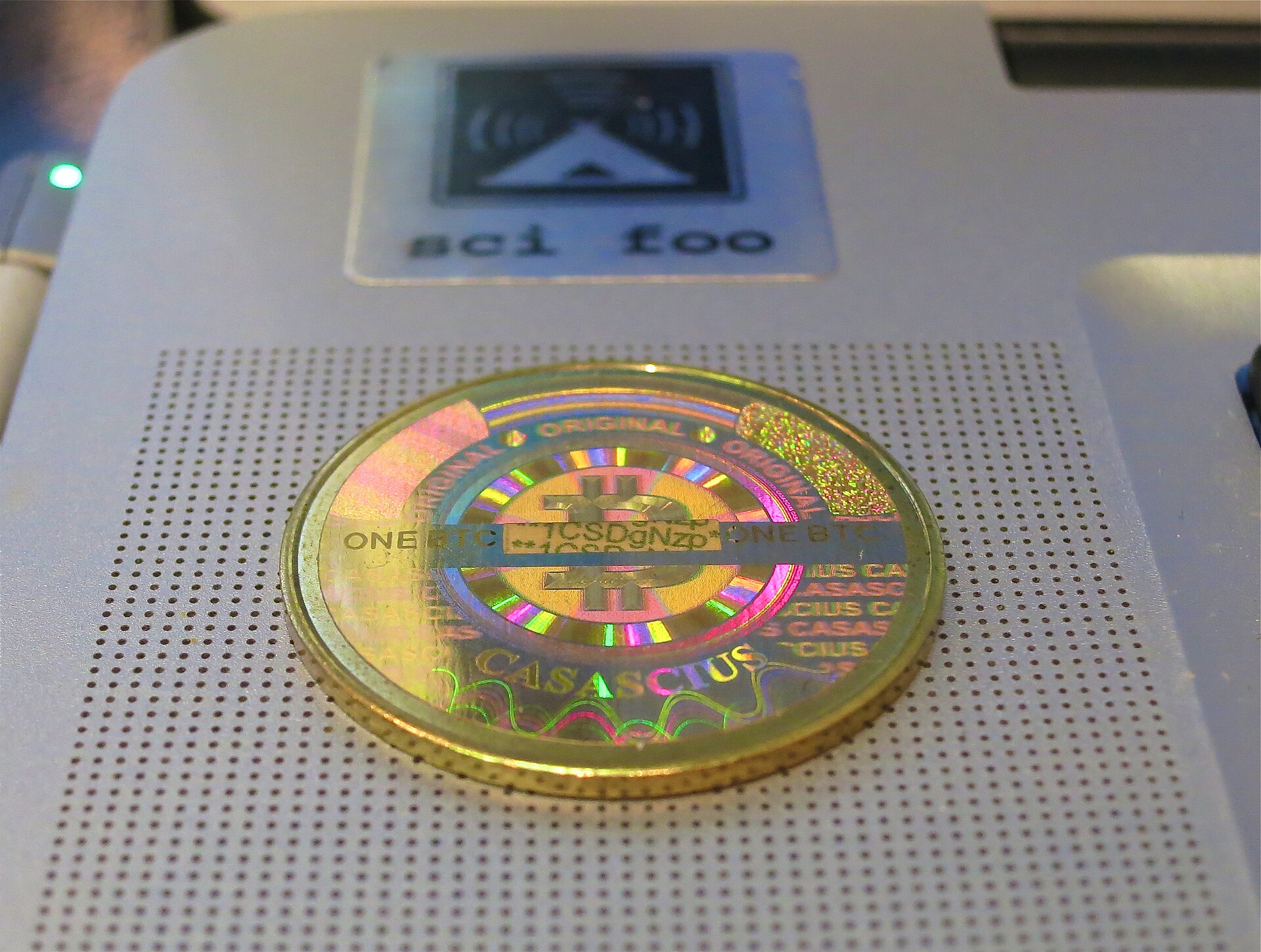
Ether is the second token most Singapore readers ask about, after Bitcoin, and the first one they meet if they want to use an application that lives on a public chain. Buying it from a Singapore bank account is the same regulatory path as buying Bitcoin: a MAS-licensed Digital Payment Token service, Singpass, a risk-awareness assessment, and SGD over PayNow or FAST. The market path is different. You are buying a token that is also the fuel for a network, and the fee you pay to move it is easy to confuse with the fee the exchange charges to let you leave.
This is a how-to for that purchase, written in Singapore dollars, for a reader who already has a DBS, OCBC or UOB account. It is not a view on whether ether is a better holding than Bitcoin — that comparison lives in a separate piece — and it is not a recommendation to buy.
Is Ethereum legal to buy in Singapore?
Yes. Ether is a digital payment token. A company that deals in it, keeps it for customers, or runs a book that matches ETH against SGD or dollars needs the same Payment Services Act permission described in our DPT explainer. You, as a holder, do not need a licence.
What you do need is a venue that is actually allowed to serve you. Search the MAS Financial Institutions Directory for the operating company. If the brand is on the Investor Alert List, stop. The regulation overview is the longer map; the short version is that a licence is permission to provide a payment service, not a stamp on the token and not SDIC cover for the balance.
Ethereum the network is not a Singapore-regulated product. Smart-contract risk, validator software, and whatever application you later sign a transaction for sit outside the DPT licence. The licence covers the on-ramp and, if you leave coins on the book, the custodian. It does not cover the protocol.
How the Singapore on-ramp differs from a global ETH advert
Global explainers start with a card payment and a mobile wallet seeded in thirty seconds. Licensed Singapore books start with Singpass. You prove who you are, you prove the bank account is yours, and you sit the retail risk quiz. The quiz will mention volatility, irreversible transfers and fraud. It may also mention that tokens used inside applications can vanish because of a bug you did not write. Read the questions. They are a better summary of ether than most marketing sites.
Funding is PayNow or FAST in your own name. Locally issued credit cards are generally off the menu for retail DPT purchases. That is MAS retail conduct, not a fussy bank. If a website offers you ether for a Singapore Visa in one tap, you are probably not on a licensed book.
ETH/SGD pairs exist on some platforms; ETH/USD pairs exist on more. If you deposit Singapore dollars and trade a dollar pair, you are paying an FX conversion as well as a trading fee. Ask where that conversion sits. Instant-buy buttons bury it. Limit orders on an advanced book at least show you a number you can compare with another venue. Our exchange guide is the place to compare those screens; this article will not rank them.
One ETH-specific listing check: make sure you are buying ether on Ethereum, not a wrapped representation on another network, and not a ticker that merely tracks the price. Wrapped tokens are useful inside some applications and miserable if you withdraw them to a wallet that cannot hold them. The withdrawal screen should say ETH and should ask for an Ethereum address, usually starting with 0x.
Gas fees versus the exchange withdrawal fee
This is the paragraph people skip and then write in about. There are two different costs, with two different names, and they are easy to mash together.
Gas is what the Ethereum network charges to include a transaction in a block. It is paid in ether, it moves with demand, and a block explorer will show you a live range. A simple transfer costs less than a complicated contract call. You do not pay gas to the exchange when you buy ETH and leave it on the book. You pay gas when you (or an application you approved) submit a transaction from a wallet you control.
The withdrawal fee is what the exchange charges to take ether out of its omnibus setup and send it to an address you specify. It is often a flat ETH amount. It is usually higher than the current network fee for a simple transfer, because the platform is not running a charity and because it may batch withdrawals. A S$150 ether balance can lose an ugly percentage to that flat fee. A S$15,000 balance will not notice it in the same way.
So the practical sequence is: buy more ether than you need for a single test, withdraw a small amount first, confirm it arrives, then withdraw the rest in as few trips as the platform allows. If you only wanted a tiny ETH balance to “try the network”, do the arithmetic before you click. Sometimes the honest answer is that a small first purchase is cheaper to leave on the book until you add to it — with the custody trade-off that implies.
Layer-2 networks (the various rollups) have their own withdrawal paths and their own fees. Do not send main-network ether to a layer-2 deposit address unless you know that is what you are doing. Licensed Singapore exchanges vary in which networks they support. If the withdrawal menu offers several, pick the one that matches the wallet you actually opened.
Staking, yield and what a licensed book will not do for you
Ether moved to proof-of-stake. That sentence has sold a lot of “earn on your ETH” products. In Singapore, a licensed DPT service provider is expected not to stake, or arrange to stake, assets that belong to a retail customer. The MAS consumer-protection guidelines are explicit on lending, pledging and staking of retail assets. The transfer of your ether to an address you specify is not treated as the platform staking for you.
That leaves a fork in the road. You can hold ether as a spot balance, on the book or in a wallet, and ignore validators entirely. Or you can learn how staking actually works — native staking, liquid-staking tokens, third-party operators — and accept that most of those arrangements are not a MAS-supervised yield product. We unpack the regulatory line in staking and yield under MAS rules. Do not treat an advertised percentage on an unlicensed site as a Singapore-regulated return.
Two tax notes, without turning this into the tax article. Buying ether is not itself a taxable event. Rewards, if you later receive any from a staking arrangement you set up yourself, need records: when they arrived, the SGD value you can support, and whether you are holding them as a personal investment or as something more organised. IRAS has not published a dedicated staking guide; it has published a digital-token income guide that treats “mining” broadly. Do not invent a rate. Keep the statements.
Using ether after you have bought it
An exchange balance is useful for selling back to SGD. It is useless for paying gas. If the reason you bought ETH was to use an application, you must withdraw to a wallet that you control. Read how to store crypto safely before you do that with more than a test amount. Hardware wallets, recovery phrases and the usual “nobody legitimate asks for your seed” rules apply the same way they do for Bitcoin. The extra Ethereum-specific habit is to watch what you are signing. A malicious approval can empty a wallet without anyone guessing a password.
Travel-rule questions appear on withdrawals above the platform’s threshold. If you are sending to your own wallet, say so. If you are paying someone else, say so. A false answer is a compliance problem, not a shortcut.
If you decide you do not want to hold ether after all, sell it on the same licensed book and FAST the Singapore dollars back to the bank account in your name. That sale is a disposal. Whether IRAS cares depends on the pattern of your activity, not on a single trade. Keep the record anyway.
What this guide is not
This is not a protocol review, not a price target, and not advice to concentrate a salary in a token that is also a commodity input for a global fee market. MAS continues to say that DPT trading is not suitable for the general public. The steps above are how a Singapore customer who has already decided to proceed buys ether without using an unlicensed app and without confusing gas with an exit fee.
For the rest of the coin set — Bitcoin, XRP, USDT and the SGD-linked tokens — use the coins hub. For the licence that sits underneath every one of those purchases, use the Payment Services Act explainer.
Questions readers ask
- Is ether treated differently from Bitcoin under MAS rules?
- No. Ether is a digital payment token. The same Payment Services Act licence, risk-awareness assessment and retail conduct rules apply. The chain is different; the Singapore on-ramp is not.
- Why is the ETH withdrawal fee larger than the gas I see on a block explorer?
- The explorer shows the network fee for a single transfer. The exchange quotes a flat withdrawal fee that covers batching, operations and a margin. Compare the two before you move a small balance.
- Can I stake ether through a licensed Singapore exchange?
- MAS consumer-protection guidelines expect DPT service providers not to stake, or arrange to stake, assets belonging to a retail customer. Self-custody staking is a separate, technical decision. Read our staking explainer before you lock anything.
- Do I need ETH in a wallet before I can use an application on Ethereum?
- Yes, if you plan to transact on-chain. An exchange balance cannot pay gas. Withdraw a test amount, confirm you control the address, then send enough ether to cover both the action and the fee.